There are plenty of variations of pasta dough out there — with eggs, some without, dried or fresh pastas. This semolina pasta dough recipe is a simple, all-purpose option for making egg-free pasta using just semolina flour (durum wheat), water, and a pinch of salt. And yes, you do need that pinch of salt, we’ll get to why a little later.
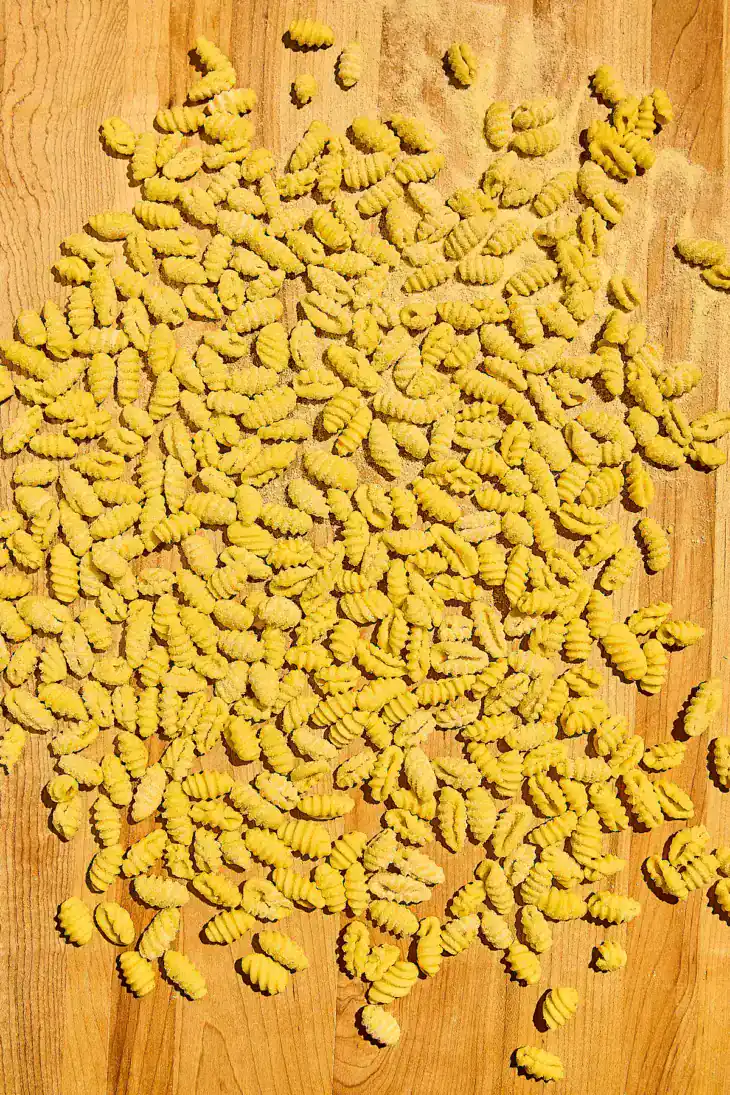
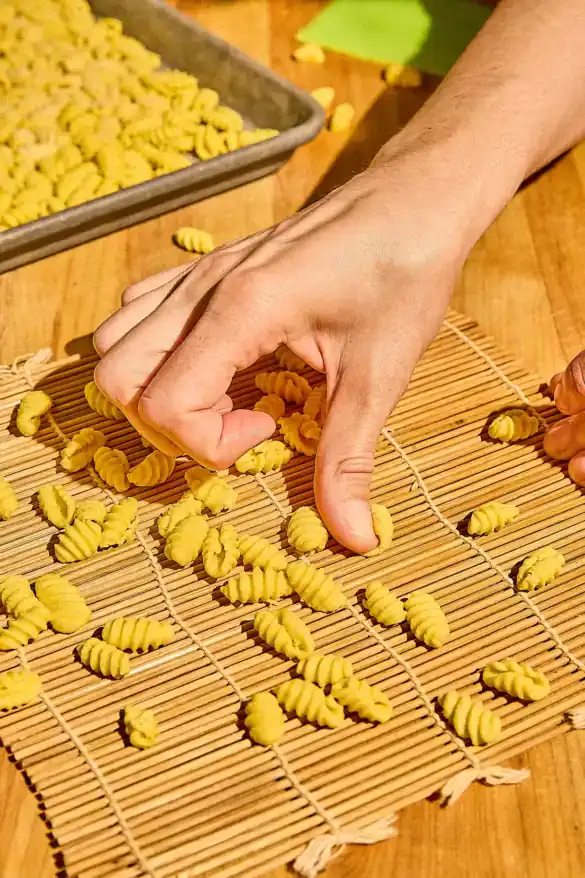
I love semolina pasta dough for its simplicity, but it also has a great firm texture. It keeps its bite, if you will. It’s a great dough for shapes like malloreddus (gnocchetti sardi), lorighittas, bigoli, and orecchiette, the list goes on. It’s also very easy to make and work with. It’s easy to shapes and doesn’t get as sticky as egg dough can. And if you’ve never made pasta before, this is a great place to start — no pasta machine needed!
...if you’ve never made pasta before, this is a great place to start — no pasta machine needed!
What is semolina?
Semolina is simply flour made from durum wheat. It contains more gluten than common wheat (the kind used in all-purpose flour), which makes it ideal for pasta. That higher gluten content gives pasta that signature structure and chew. It’s also great used in cakes, breads, and other baked goods, and can even be added to pizza dough. The list is endless.
Semolina typically has a slightly coarser texture than standard wheat flour and a naturally yellow color. For pasta making, you’ll want a finely ground semolina. Look for packages labeled “semolina flour” or semola rimacinata, which means the flour has been re-milled (ground twice). That finer texture is perfect for making smooth, elastic fresh pasta dough.
Ingredients
You want to aim for about 100g of flour per serving. This recipe is easy to scale up or down, just use half the weight of the flour in water.
4 servings
- 400g semolina flour (durum wheat) – I like Molino Grassi’s Organic Semolina, Bob’s Red Mill Semolina Flour or Caputo’s Semolina Flour
- 200g water
- 1g salt (about 1/4 teaspoon Diamond Crystal kosher salt; use slightly less if using a finer salt)
I highly recommend using a scale for this (and all pasta dough recipes) at least until you get a good feel for the dough’s consistency. It’s far more accurate. That said, most scales aren’t very precise at measuring 1g, so I included a rough volumetric measurement for the salt. The salt helps strengthen the gluten, makes the dough easier to knead and contributes to that signature toothy bite in the finished pasta.
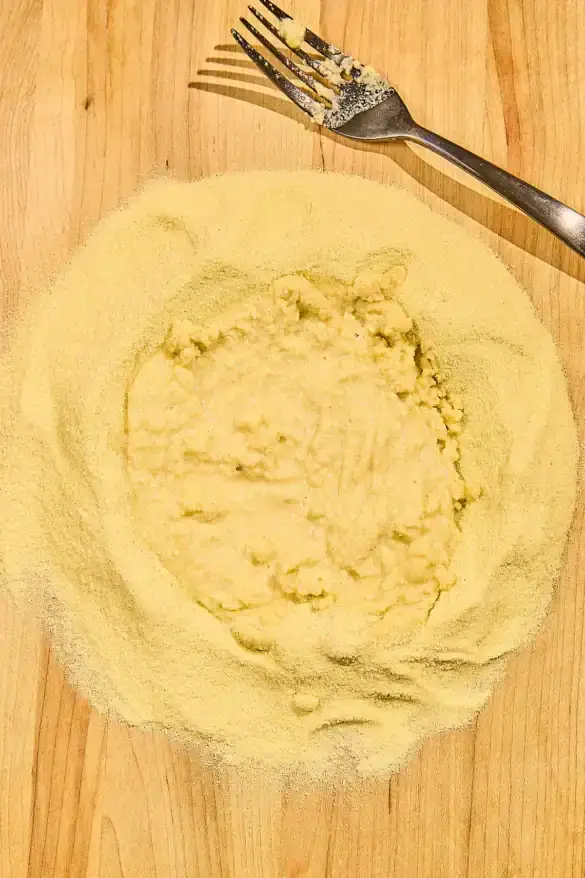
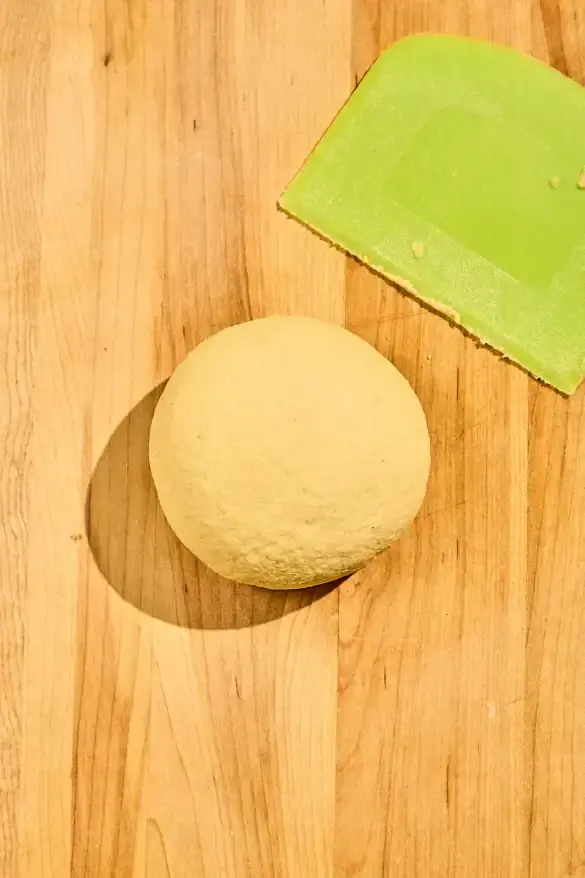
How to make Semolina Pasta Dough
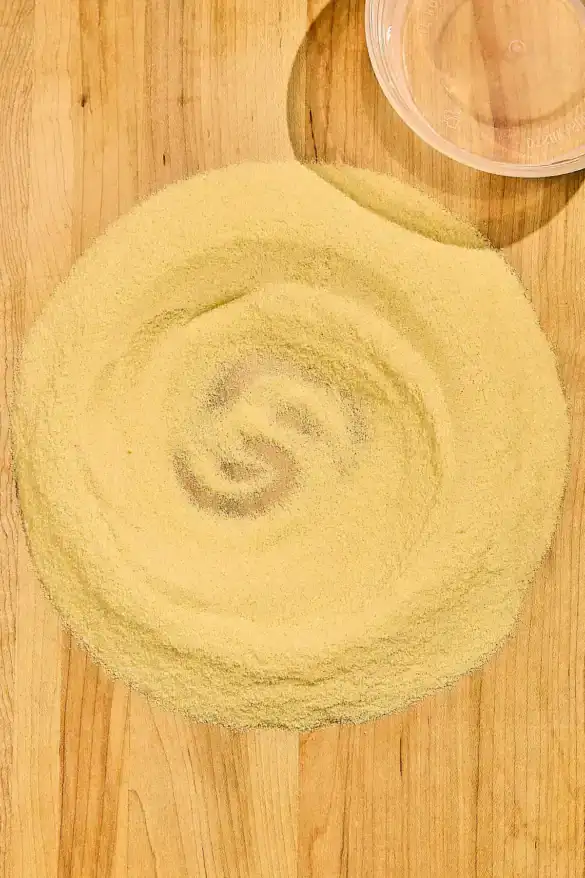
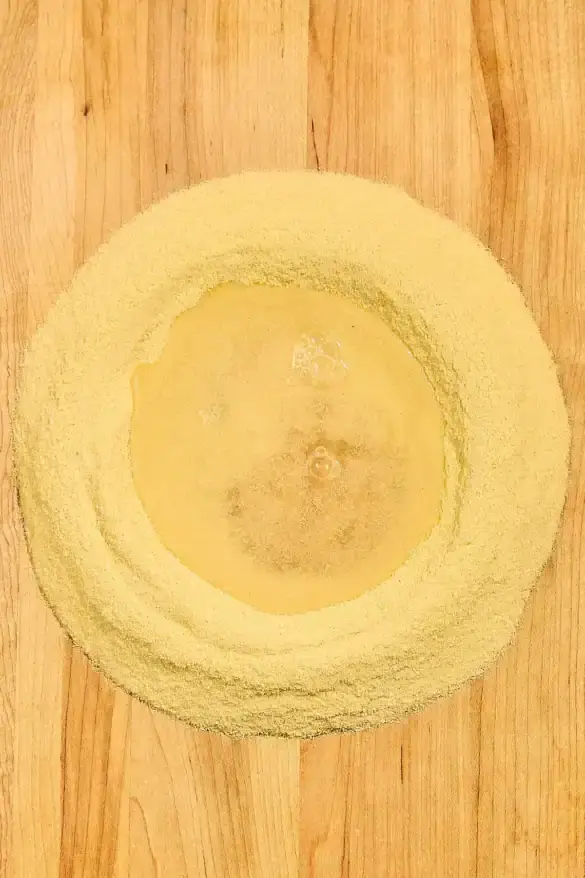
- Make a mound of flour on your work surface. Use the back of your hand to create a well in the center. Alternatively, you can mix everything in a large bowl if you like.
- Add the salt to the water and stir to dissolve.
- Pour the water into the well, and slowly mix in the flour until you have a paste, and then go ahead and mix in the rest of the flour.
- Knead the pasta dough for about 8-10 minutes until it’s nice and smooth.
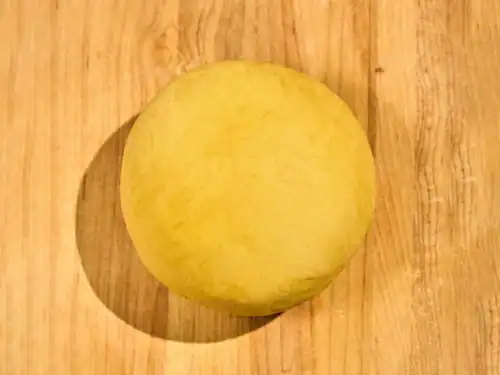
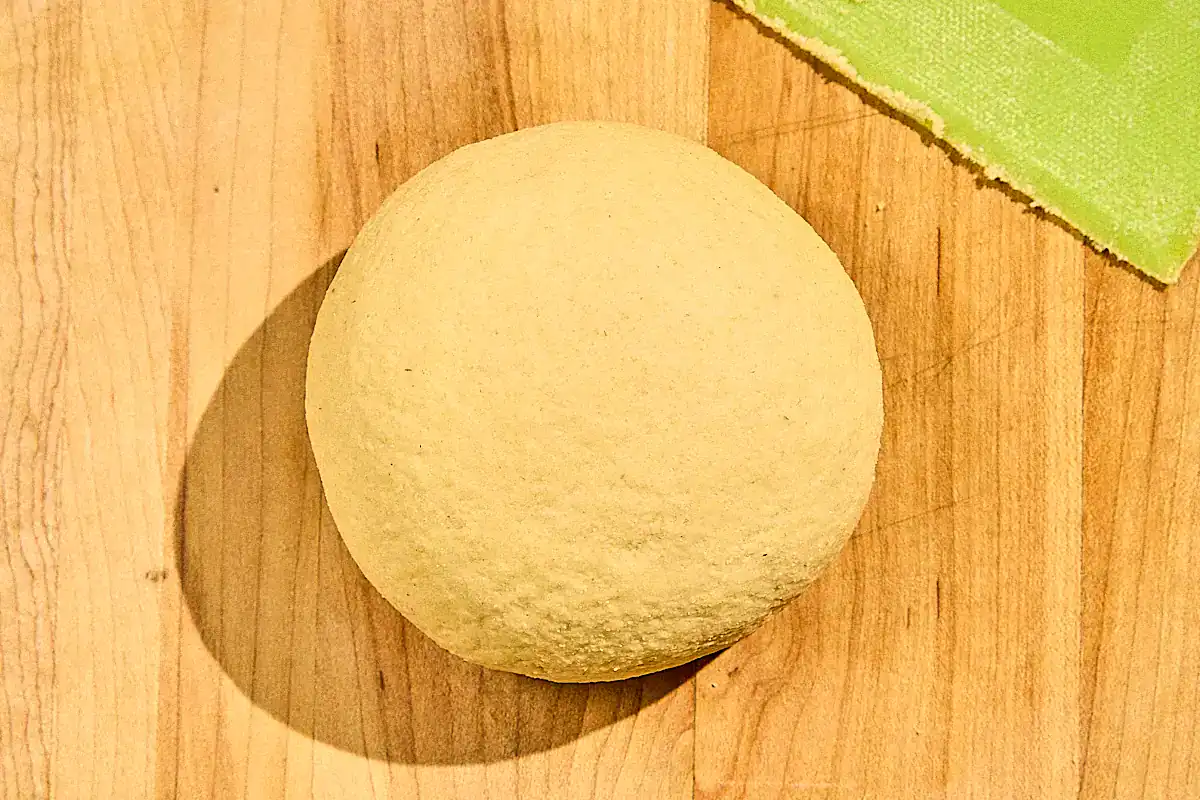
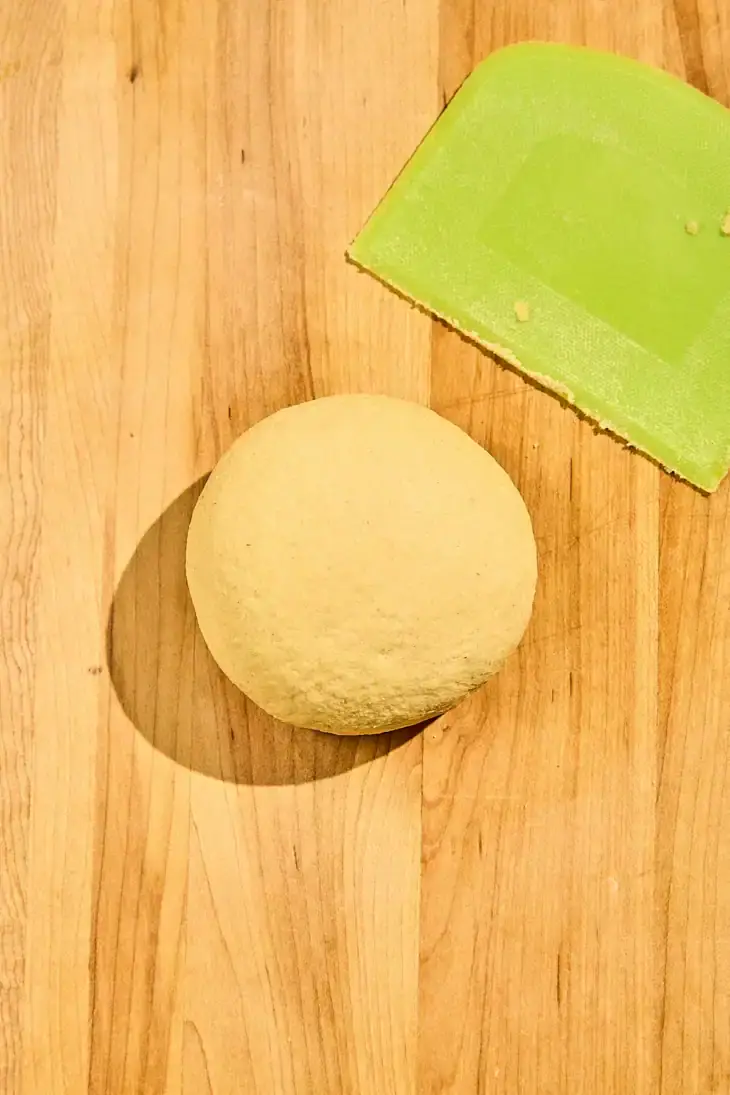
- Shape your dough into a tight ball, cover with an inverted bowl or wrap in plastic wrap, and let rest for 20 minutes. This helps make sure the dough is fully hydrated before you start shaping it.
- Once the dough is rested, you are ready to shape however you like.
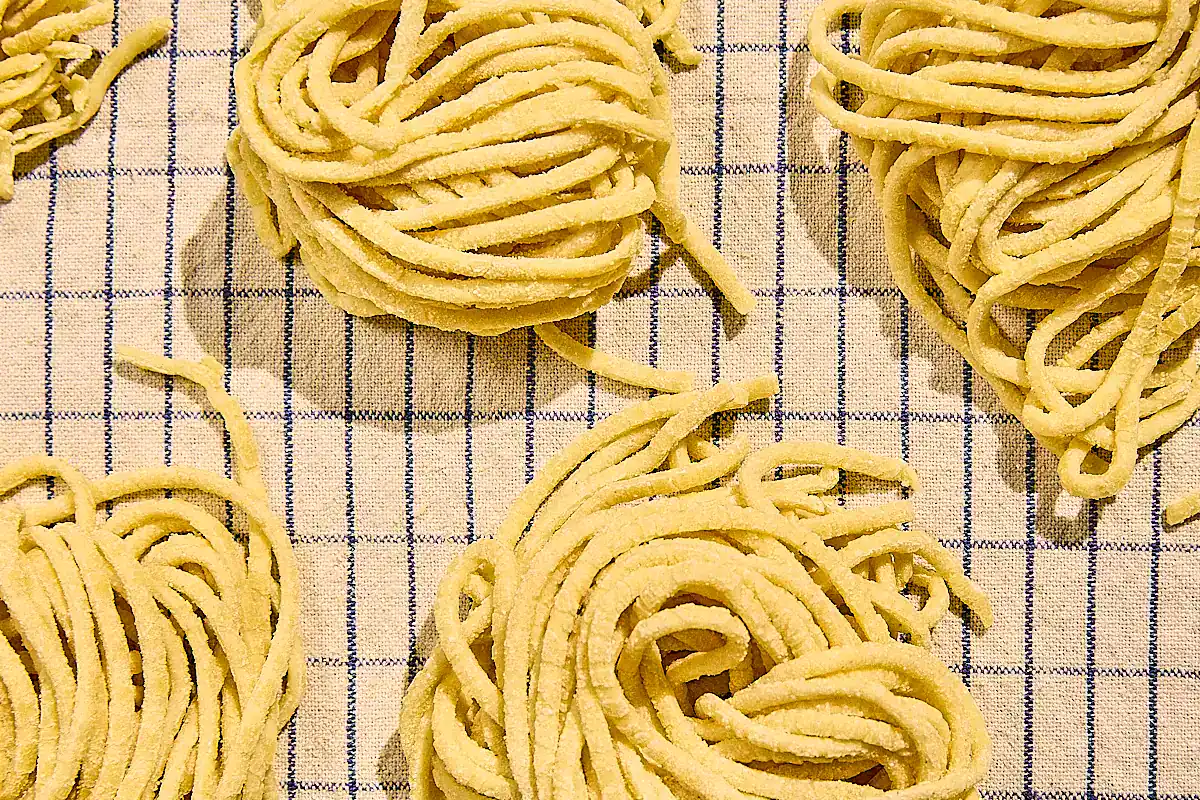
Best Pasta Shapes for Semolina Dough (Easy & Traditional Ideas)
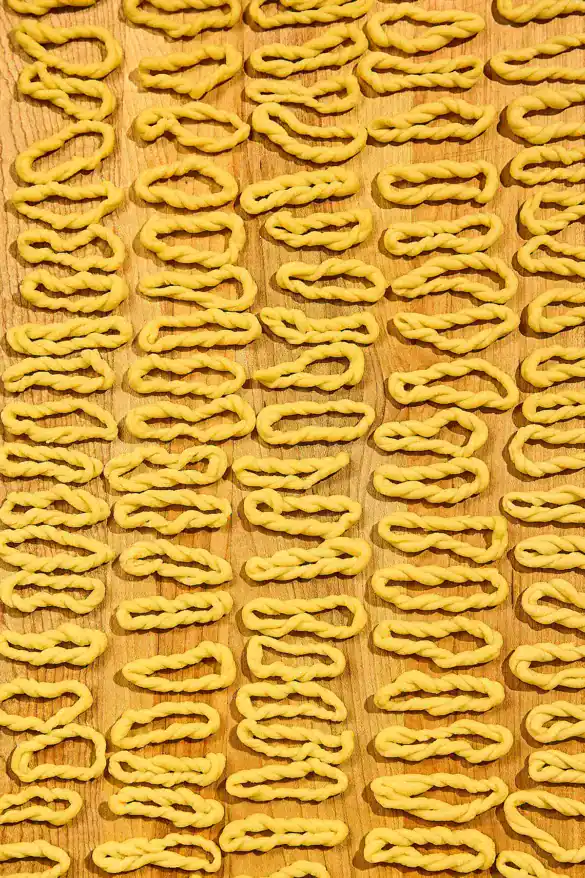
How to Make Lorighittas – Lorighittas have a distinct twisted ring shape and are made simply with semolina and water. Learn how to make this traditional Sardinian pasta by hand with these step-by-step instructions.
Malloreddus (Gnocchetti Sardi) – Learn how to make malloreddus — also known as gnocchetti sardi — at home by hand, no special tools needed. this traditional Sardinian pasta is ridged, shell-shaped, and perfect with tomato butter sauce or sausage ragù.
Bigoli – Thick spaghetti made from semolina with a chewy texture and rough surface that holds onto sauce.
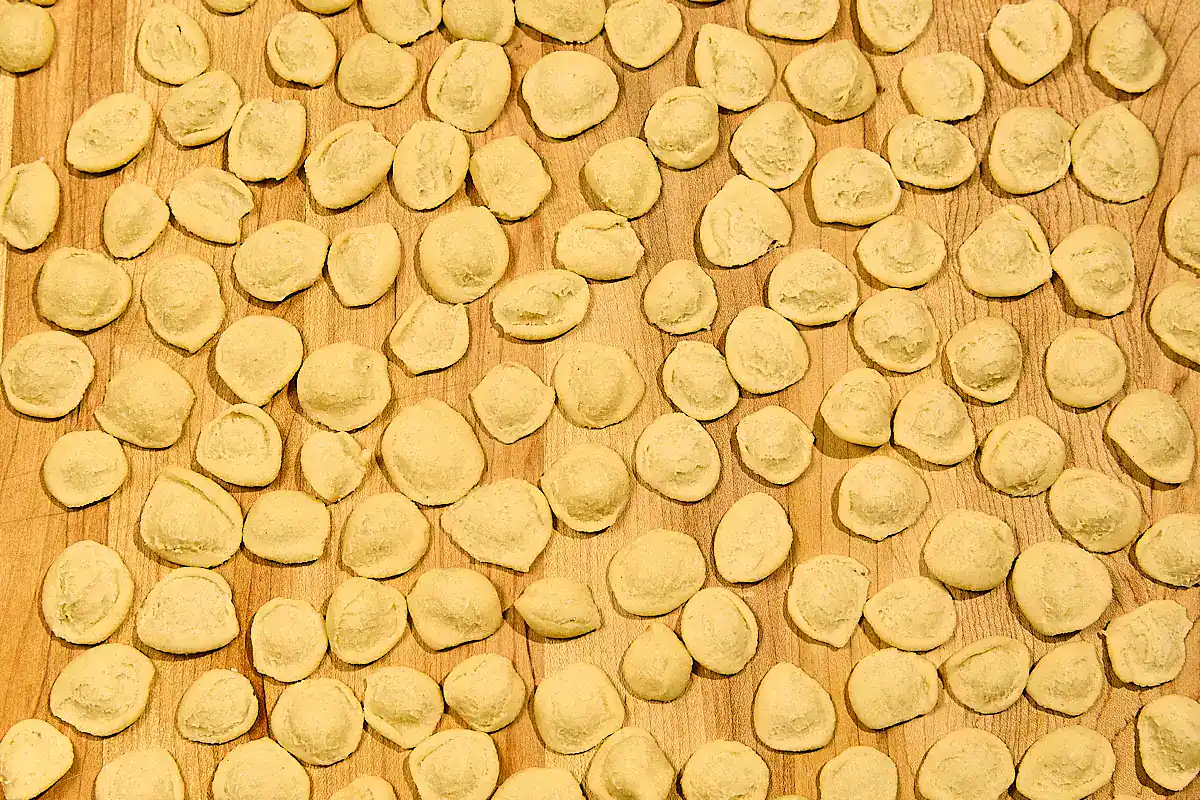
Orecchiette – These “little ears” are bite sized, hand shaped little bowls of pasta made with semolina flour. They pair perfectly with a classic sausage and broccoli rabe sauce.
More Fresh Pasta Dough Recipes to Try
Egg Yolk Pasta Dough – The extra egg yolks create a super silky and tender pasta dough with an incredible color. Great for hand-cut pasta shapes like tagliatelle, pappardelle, farfalle gigante or large sheets of lasagna or fazzoletti.
Homemade Pasta – A simple recipe and easy to follow guide to make fresh pasta at home with just eggs and flour.
Homemade Ricotta Cavatelli – Homemade ricotta cavatelli are easy to make and go perfectly with any sauce. Just a few ingredients and no special equipment needed. whether you’re a beginner or a seasoned pasta pro, this is a go-to homemade pasta shape.
Homemade Potato Gnocchi – Learn how to make homemade potato gnocchi from scratch with this foolproof recipe. just 2 ingredients needed for light, pillowy Italian dumplings.
Semolina Pasta Dough
Ingredients
- 400 g semolina flour durum wheat
- 200 g water
- 1 g salt about 1/4 teaspoon Diamond Crystal kosher salt; use slightly less if using a finer salt
Instructions
- Make a mound of flour on your work surface. Use the back of your hand to create a well in the center. Alternatively, you can mix everything in a large bowl if you like.
- Add the salt to the water and stir to dissolve.
- Pour the water into the well, and slowly mix in the flour until you have a paste, and then go ahead and mix in the rest of the flour.
- Knead the pasta dough for about 8-10 minutes until it’s nice and smooth.
- Shape your dough into a tight ball, cover with an inverted bowl or wrap in plastic wrap, and let rest for 20 minutes. This helps make sure the dough is fully hydrated before you start shaping it.
- Once the dough is rested, you are ready to shape however you like.
Notes
- You want to aim for about 100g of flour per serving. This recipe is easy to scale up or down, just use half the weight of the flour in water.
- I highly recommend using a scale for this (and all pasta dough recipes) at least until you get a good feel for the dough’s consistency. It’s far more accurate. That said, most scales aren’t very precise at measuring 1g, so I included a rough volumetric measurement for the salt. The salt helps strengthen the gluten, makes the dough easier to knead and contributes to that signature toothy bite in the finished pasta.
Did You Make This Recipe?
Leave a comment with your thoughts or share your version on Instagram by tagging @TheMostHungry. I’d love to see how you made it your own!
Sources and Inspiration
Bennison, Vicky,, Emma (Photographer) Lee, and Hardie Grant Books. Pasta Grannies: The Secrets of Italy’s Best Home Cooks. London: Hardie Grant Books, 2019.
Funke, Evan,, Katie Parla, Eric Wolfinger, and Nancy Silverton. American Sfoglino: A Master Class in Handmade Pasta. San Francisco: Chronicle Books, 2019.

Want more recipes like this delivered right to your inbox?
Sign-up to the Substack newsletter below:
Subscribe
Hi, I'm Rachel — the cook, photographer, and recipe developer behind Most Hungry.
This is my go-to spot for bold, approachable recipes rooted in Italian and Italian-American cooking, from hand-rolled fresh pasta to fall-off-the-bone ribs. Great food should be fun, doable, and absolutely delicious. Learn more about me →
FAQs
Do I need to rest semolina pasta dough?
Yes. Resting the dough for about 20 minutes lets the flour fully hydrate and gives the gluten time to relax, making it easier to shape.
What shapes work best with semolina pasta dough?
This dough is ideal for hand-shaped pastas like orecchiette, cavatelli, malloreddus, lorighittas, and other shapes that benefit from a firm, toothy texture.
Can I use semolina pasta dough in a pasta machine?
You can, but this dough is firmer than an egg-based dough. It works best for hand-shaped pasta. If you’re using a pasta machine, you’ll need roll it slightly thicker since it won’t be able to get as thin as an egg dough.